Mi Smart Home Devices: Complete Ecosystem for Intelligent Living and Home Automation

All Categories

mi smart home devices

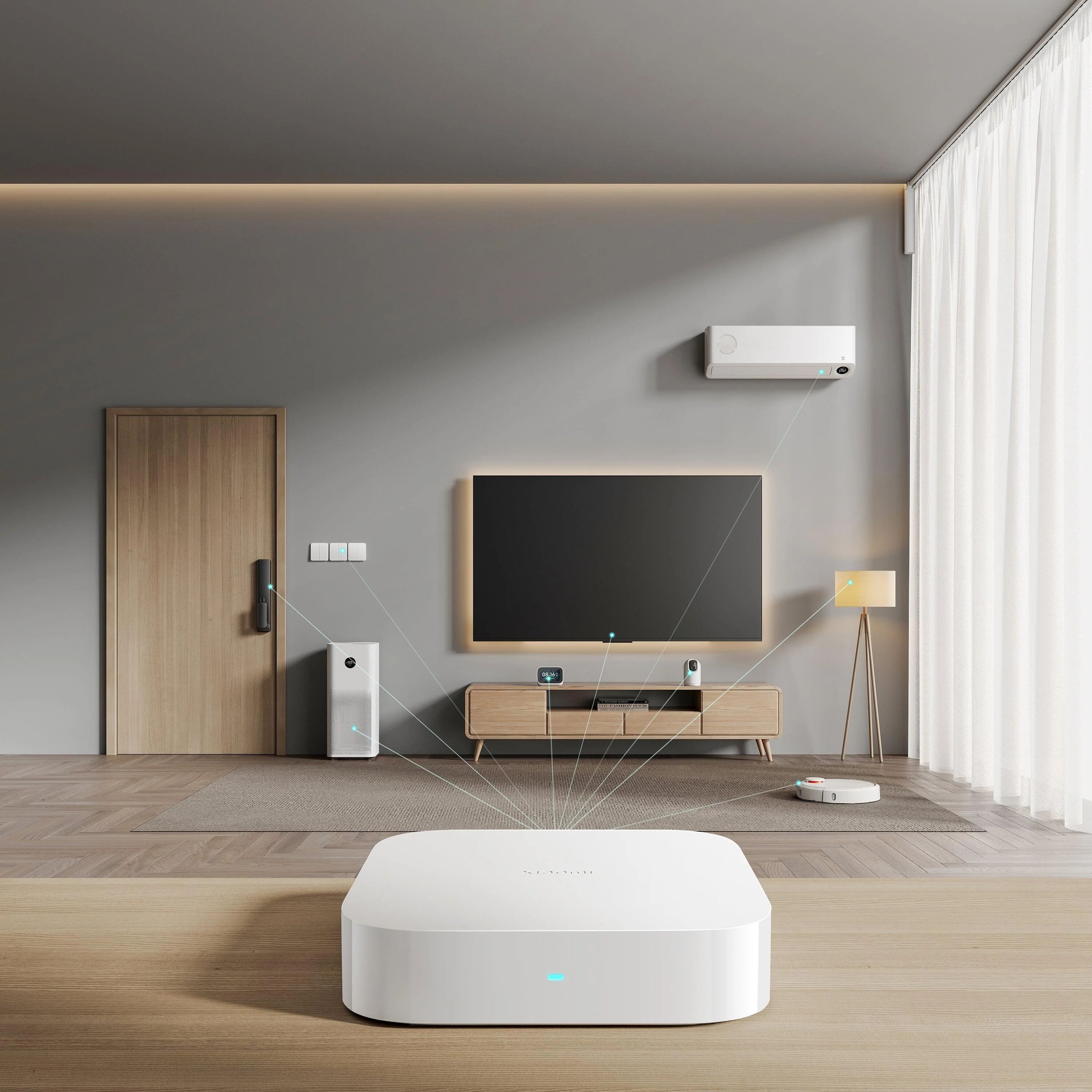
Mi smart home devices represent a comprehensive ecosystem of interconnected gadgets designed to transform traditional living spaces into intelligent, automated environments. Xiaomi's extensive range of mi smart home devices encompasses everything from security cameras and air purifiers to lighting systems and robotic vacuum cleaners, all unified under a single, intuitive control platform. These innovative products leverage cutting-edge Internet of Things (IoT) technology to create seamless connectivity between various household appliances and systems. The mi smart home devices operate through the Mi Home app, which serves as a central hub for monitoring, controlling, and customizing all connected devices from anywhere in the world. Each device in the mi smart home ecosystem features advanced sensors, wireless connectivity protocols including Wi-Fi and Zigbee, and artificial intelligence capabilities that enable predictive automation and learning from user behavior patterns. The technological foundation of mi smart home devices includes sophisticated machine learning algorithms that adapt to daily routines, environmental conditions, and personal preferences to optimize energy consumption and enhance comfort levels. These devices support voice control integration with popular assistants like Google Assistant and Amazon Alexa, enabling hands-free operation and voice-activated commands. The mi smart home devices also feature robust security protocols with encrypted data transmission and regular firmware updates to protect against cyber threats. Applications range from basic automation tasks such as scheduling lights and adjusting thermostats to complex scenarios involving multiple devices working in coordination to create personalized living experiences. The scalability of mi smart home devices allows users to start with individual products and gradually expand their smart home network, making the technology accessible to various budget levels and technical expertise. Energy monitoring capabilities built into many mi smart home devices provide detailed insights into power consumption patterns, helping users optimize electricity usage and reduce utility costs while maintaining comfort and convenience.

New Product Releases

The primary advantage of mi smart home devices lies in their exceptional cost-effectiveness compared to other premium smart home brands, delivering professional-grade functionality at accessible price points that make advanced home automation available to mainstream consumers. Users consistently save money on energy bills through intelligent power management features that automatically adjust heating, cooling, and lighting based on occupancy and time of day preferences. The seamless integration capabilities of mi smart home devices eliminate the frustration commonly associated with connecting products from different manufacturers, as all devices work harmoniously within the unified Mi ecosystem. Installation procedures remain remarkably straightforward, requiring no professional assistance or complex wiring modifications, allowing homeowners to set up comprehensive smart home systems within hours rather than days. The responsive customer support network ensures users receive prompt assistance when needed, while regular software updates continuously enhance device performance and introduce new features without requiring hardware replacements. Mi smart home devices significantly improve daily convenience by automating routine tasks such as cleaning schedules, security monitoring, and climate control, freeing up valuable time for more important activities. The robust build quality ensures long-lasting performance even under constant daily usage, while the sleek, minimalist designs complement modern interior aesthetics without creating visual clutter. Enhanced security features provide peace of mind through real-time monitoring, instant alert notifications, and remote access capabilities that allow homeowners to check on their properties from any location. The comprehensive data analytics provided by mi smart home devices help users understand their consumption patterns and lifestyle habits, enabling informed decisions about resource usage and home optimization. Environmental benefits emerge through reduced energy waste, as smart sensors prevent unnecessary operation of appliances when spaces are unoccupied. The flexibility to customize automation rules according to individual preferences ensures that mi smart home devices adapt to unique lifestyle requirements rather than forcing users to modify their routines. Multiple device compatibility extends the ecosystem's value by allowing integration with existing electronics and future technology purchases, protecting the initial investment while enabling continued expansion.

Tips And Tricks

Xiaomi Pad 6 Global Review: A Budget-Friendly Powerhouse with 144Hz Display

05

Jul

Xiaomi Pad 6 Global Review: A Budget-Friendly Powerhouse with 144Hz Display

In today's competitive tablet market, the Xiaomi Pad 6 Global stands out as a compelling option for users seeking premium features without the flagship price tag. Launched in mid-2023, this Android tablet brings a 144Hz refresh rate display, Snapdrag...
View More
Xiaomi Mini Automatic Vacuum Sealer: A Must-Have for Smart Kitchens

07

Jul

Xiaomi Mini Automatic Vacuum Sealer: A Must-Have for Smart Kitchens

In today’s Intelligent Life era, smart home appliances are revolutionizing how we store and preserve food. The Xiaomi Mini Automatic Vacuum Sealer is a compact yet powerful addition to the Xiaomi Smart Home ecosystem, designed to keep food fres...
View More
Xiaomi Youpin ZhenMi Electric Juicer: Revolutionizing Portable Nutrition

07

Jul

Xiaomi Youpin ZhenMi Electric Juicer: Revolutionizing Portable Nutrition

Smart Juicing for Modern LifestylesThe Xiaomi Youpin ZhenMi Electric Juicer 340ml represents the perfect fusion of Intelligent Life design and practical functionality. As part of Xiaomi Youpin's premium product lineup, this compact juicer delivers pr...
View More
Xiaomi’s Mi Home Cube Converter: The Solution to Your Outlet Nightmares?

05

Aug

Xiaomi’s Mi Home Cube Converter: The Solution to Your Outlet Nightmares?

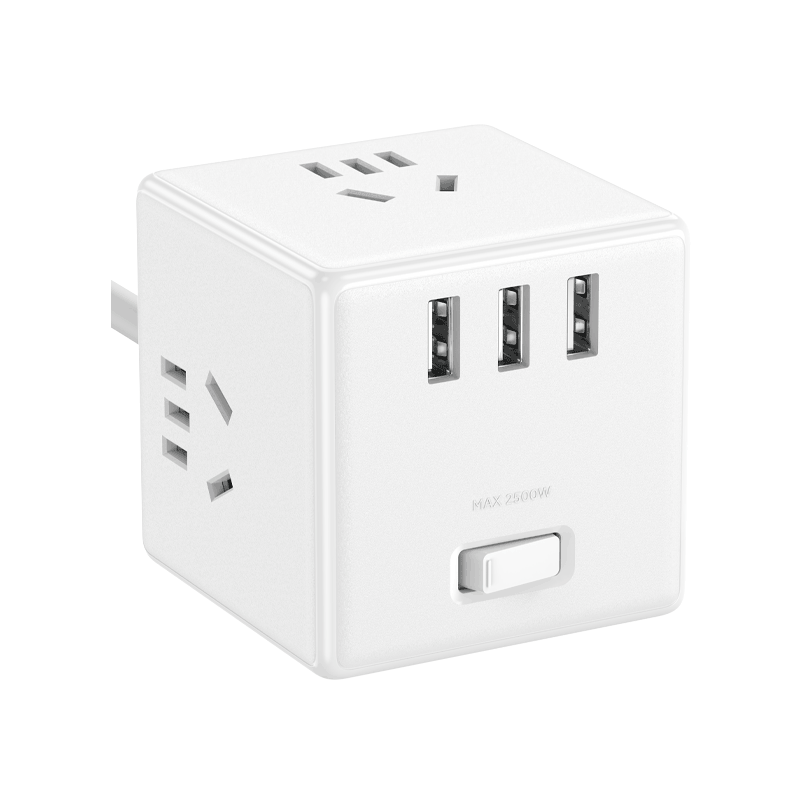
Fed up with overloaded power strips, tangled cables, or outlets that vanish behind furniture? Xiaomi’s new Mi Home Cube Converter is here to revolutionize your charging setup. But how does this compact cube tackle daily power struggle...
View More

Get a Free Quote

Our representative will contact you soon.
Email
Name
Company Name
Message
0/1000
Attachment
Please upload at least an attachment
Up to 3 files,more 30mb,suppor jpg、jpeg、png、pdf、doc、docx、xls、xlsx、csv、txt

mi smart home devices

Comprehensive Ecosystem Integration and Seamless Connectivity

Comprehensive Ecosystem Integration and Seamless Connectivity

The standout feature of mi smart home devices centers on their remarkable ability to create a unified, interconnected ecosystem where every component communicates effortlessly with others, establishing an intelligent network that responds to user needs with unprecedented coordination. This comprehensive integration eliminates the common frustrations experienced with mixed-brand smart home setups, where compatibility issues often prevent devices from working together effectively. Mi smart home devices utilize advanced Zigbee mesh networking technology alongside traditional Wi-Fi connectivity, creating redundant communication pathways that ensure reliable operation even when individual network segments experience disruptions. The mesh architecture allows devices to relay signals through neighboring units, extending coverage throughout large homes and eliminating dead zones that typically plague wireless systems. Users benefit from centralized control through the Mi Home app, which presents an intuitive interface for managing hundreds of different device types, from security cameras and door sensors to air purifiers and robotic vacuum cleaners. The ecosystem's intelligence shines through automated scenarios where multiple mi smart home devices coordinate their actions based on environmental triggers, time schedules, or user behavior patterns learned through machine learning algorithms. For example, the system automatically activates security cameras, locks doors, adjusts thermostats, and dims lights when it detects that residents have left the home, then reverses these actions upon their return. This level of coordination extends to energy management, where mi smart home devices collaborate to optimize power consumption by intelligently scheduling high-energy appliances during off-peak hours and reducing unnecessary standby consumption across the network. The ecosystem's expandability ensures that new mi smart home devices integrate immediately without requiring complex reconfiguration, while backward compatibility protects investments in older devices. Advanced scene customization allows users to create personalized automation rules that reflect their unique lifestyles, whether establishing morning routines that gradually increase lighting while starting coffee makers, or evening sequences that secure the home while creating ambient entertainment environments.
Artificial Intelligence and Machine Learning Capabilities

Artificial Intelligence and Machine Learning Capabilities

Mi smart home devices incorporate sophisticated artificial intelligence and machine learning technologies that continuously evolve to understand user preferences, predict needs, and optimize performance without requiring manual intervention or complex programming knowledge. The embedded AI systems analyze vast amounts of data collected from various sensors, including motion detectors, environmental monitors, and usage patterns, to build comprehensive profiles of household routines and preferences. This intelligent learning process enables mi smart home devices to anticipate user needs, such as automatically adjusting air conditioning temperatures before residents arrive home or activating security systems when the house typically becomes unoccupied. The machine learning algorithms become increasingly accurate over time, refining their predictions based on seasonal changes, weather conditions, and evolving lifestyle patterns to maintain optimal comfort levels while minimizing energy consumption. Advanced predictive maintenance capabilities alert users to potential device issues before they become problematic, scheduling maintenance reminders based on actual usage data rather than arbitrary time intervals. The AI systems also optimize device performance by analyzing environmental factors and adjusting operational parameters accordingly, such as modifying air purifier fan speeds based on indoor air quality readings and external pollution levels. Voice recognition technology integrated into mi smart home devices learns individual speech patterns and preferences, improving response accuracy while providing personalized interactions that feel natural and intuitive. The intelligence extends to security applications, where AI-powered cameras distinguish between family members, pets, and potential intruders, reducing false alarms while ensuring genuine threats receive immediate attention. Energy optimization algorithms continuously monitor consumption patterns across all connected mi smart home devices, automatically shifting power-intensive operations to off-peak hours and identifying opportunities for efficiency improvements. The learning capabilities respect user privacy through edge computing approaches that process sensitive data locally rather than transmitting personal information to external servers. Behavioral analysis helps identify unusual patterns that might indicate security concerns or health emergencies, enabling proactive responses that could prevent serious incidents.

Advanced Security and Privacy Protection Features

Advanced Security and Privacy Protection Features

Mi smart home devices prioritize user security and privacy through multiple layers of protection that safeguard personal data, prevent unauthorized access, and ensure reliable operation even under cyber attack scenarios. The comprehensive security architecture begins with hardware-level encryption that protects data transmission between devices and prevents interception by malicious actors seeking to compromise the smart home network. Advanced authentication protocols require multiple verification steps before allowing access to device controls or sensitive information, while regular security updates automatically patch vulnerabilities and strengthen defenses against emerging threats. The distributed security model means that even if individual mi smart home devices experience security breaches, the overall system remains protected through isolated communication channels and compartmentalized access controls. Local data processing capabilities reduce privacy risks by keeping sensitive information within the home network rather than transmitting personal details to external cloud servers, giving users complete control over their private information. Biometric authentication options, including fingerprint recognition and facial identification, provide convenient yet secure access methods that prevent unauthorized users from controlling mi smart home devices or accessing recorded data. The security systems include sophisticated intrusion detection capabilities that monitor network traffic patterns, device behavior anomalies, and communication protocols to identify potential threats before they can cause damage or compromise user privacy. Physical security features protect against tampering, with tamper-evident seals and secure mounting options that prevent unauthorized access to device internals or communication interfaces. Advanced encryption standards ensure that even if data transmissions are intercepted, the information remains unintelligible to attackers lacking proper decryption keys. The privacy protection extends to voice recordings and video footage, with local storage options that eliminate the need to upload sensitive audio and visual data to external servers where it might be accessed by unauthorized parties. User control panels provide granular privacy settings that allow individuals to customize data sharing preferences, retention periods, and access permissions according to their comfort levels and specific security requirements. Regular security audits and penetration testing ensure that mi smart home devices maintain robust protection against evolving cyber threats, while transparent security reporting keeps users informed about the measures protecting their smart home investments.